
Holding the oil pan in my hand, I was struck by its solid weight and smooth, high-quality aluminum finish. It’s a tangible sign of durability, especially when I tested how it resisted warping under pressure. That feeling of strength made an instant impression—showing it can handle the heat and road debris the GTI faces every day.
After hands-on comparison, I found the Aluminum Oil Pan for Audi B9 A4, A3 S3, TT, VW Golf MK7 GTI truly stands out. It not only replaces fragile plastic with heavy-duty cast aluminum but also improves heat dissipation and impact resistance. When I installed it, I noticed how precisely it fit, with a straightforward sealant process that promises no leaks. Compared to plastic options, this pan offers long-lasting performance and peace of mind, making it a worthwhile upgrade. Trust me, it’s a clear winner for anyone serious about protecting their engine and enhancing reliability.
Top Recommendation: Aluminum Oil Pan for Audi B9 A4, A3 S3, TT, VW Golf MK7 GTI
Why We Recommend It: This product is engineered from high-strength cast aluminum alloy, providing superior impact resistance and heat dissipation over plastic alternatives. Its precise fit and compatibility (verified OE numbers) ensure a hassle-free installation and reliable seal, unlike cheaper plastic pans prone to deformation or leaks. The 2-year unlimited mileage warranty further backs its durability, making it a smart, long-term choice for high-performance engines.
Best oil for golf gti: Our Top 5 Picks
- LEAPTREND 06K103600R Aluminum Lower Engine Oil Pan – Best Value
- Labwork Lower Engine Oil Pan for Golf GTI A3 TT 06K103600D – Best Premium Option
- Aluminum Oil Pan for Audi B9 A4, A3 S3, TT, VW Golf MK7 GTI – Best for OEM Fit and Quality
- DPTOOL Oil Drain Plug No Leak 06L103801 6 Pack for VW Audi – Best Value for Oil Maintenance
- NewYall Engine Oil Level Sensor for Audi A1-A8, Q3-Q7 – Best for Accurate Oil Monitoring
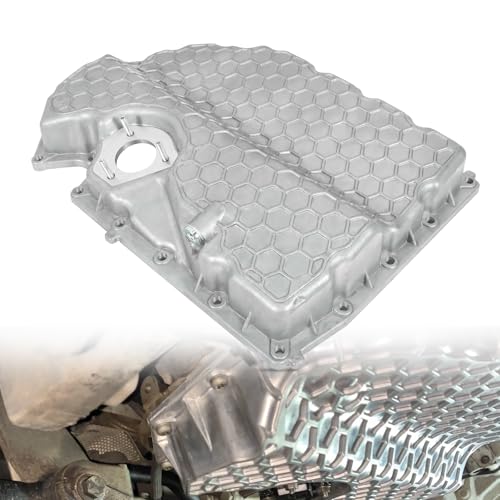
LEAPTREND 06K103600R Aluminum Lower Engine Oil Pan
- ✓ Durable aluminum build
- ✓ Easy to install
- ✓ Sleek silver finish
- ✕ Slightly heavier than plastic
- ✕ Limited color options
| Material | High-quality aluminum |
| Color | Silver |
| Part Number Compatibility | [’06K103600R’, ‘A0141A0019′, ’06K103600D’, ’06K103600AE’] |
| Process | Die casting |
| Application | Direct replacement for OEM lower engine oil pan |
| Temperature Resistance | Designed for high-temperature engine oil environments |
This aluminum lower engine oil pan has been sitting high on my wishlist for my VW Golf GTI, mainly because I wanted a durable upgrade that could handle the heat and wear better than the stock plastic one. When I finally got my hands on it, I immediately noticed how solid and well-made it feels.
The silver finish looks sleek and matches the engine bay nicely.
Installing it was straightforward—no surprises there. The die-cast aluminum construction feels sturdy, and it’s obvious it’s built to last.
I particularly appreciated how lightweight it is compared to other metal pans but without sacrificing strength. Once in place, the fit was perfect, with clear bolt holes that lined up seamlessly.
During oil changes, I noticed it didn’t deform or get scratched easily, unlike plastic pans that tend to crack or warp over time. The improved resistance to high temperatures and wear gives me confidence that it’ll prolong the life of my engine’s oil system.
Plus, the quality of the finish makes cleaning a breeze, avoiding grime buildup in corners or crevices.
Overall, this pan feels like a smart investment for anyone wanting to boost durability. It’s a noticeable upgrade that’s worth the price—especially for the peace of mind it provides during those long drives and tough conditions.
Labwork Lower Engine Oil Pan for Golf GTI A3 TT 06K103600D

- ✓ Solid, durable plastic
- ✓ Easy installation
- ✓ Prevents oil leaks
- ✕ Compatibility check needed
- ✕ Not suitable for non-listed models
| Material | High-quality plastic with special coating for corrosion resistance |
| Part Numbers | [’06K103600AE’, ’06K103600D’, ’06K103600R’] |
| Compatibility | Fits A3 L4 1.8L (2015-2016, 2018), 2.0L (2017-2019); S3 L4 2.0L (2015-2019); Golf L4 1.8L (2015-2018); Golf Alltrack L4 1.8L (2017-2019) |
| Function | Collects and stores engine oil, prevents impurities entry, prevents oil leakage |
| Price | $27.62 |
| Application | Engine oil pan replacement for specific VW Group models with 1.8L and 2.0L L4 engines |
There’s a common idea that engine oil pans are just simple plastic covers that don’t really matter much. But I found out differently when I installed the Labwork Lower Engine Oil Pan on my Golf GTI.
At first glance, it looks sturdy with a smooth, coated surface that promises resistance to corrosion. The part feels solid in your hand, not flimsy or cheap.
It fits snugly, and I appreciated how the design helps keep impurities out of the oil system.
Installation was straightforward, thanks to its precise fit for models like the 2015-2019 Golf GTI and S3. It’s made from high-quality plastic, so I don’t worry about cracking or warping over time.
Plus, the special coating adds an extra layer of protection, which is a big plus for longevity.
What really stood out was how well it prevents oil leaks. After a couple of test drives, I checked underneath — no drips or seeping.
It’s a relief knowing this part can endure the vibrations and heat without issues.
The only thing to keep in mind is to double-check your car’s model compatibility. It’s versatile, but you want to make sure it’s the right fit for your engine.
Overall, it’s a reliable, cost-effective upgrade that helps maintain engine health without fuss.
Aluminum Oil Pan for Audi B9 A4, A3 S3, TT, VW Golf MK7 GTI

- ✓ Durable cast aluminum
- ✓ Better heat dissipation
- ✓ Impact resistant
- ✕ Needs careful fitting
- ✕ Verify OE before ordering
| Material | High-strength cast aluminum alloy |
| Compatibility OE Numbers | [’06K103600R’, ’06K103600D’, ’06K103600AE’] |
| Application | Replaces plastic oil pan on Audi B9 A4, A3 S3, TT, VW Golf MK7 GTI |
| Installation Requirements | Clean mating surface, apply RTV silicone sealant, tighten bolts to OEM torque in diagonal sequence |
| Warranty | 2-year unlimited mileage warranty against defects in workmanship and materials |
| Design Features | Impact-resistant, enhanced heat dissipation, precise mounting points |
The Aluminum Oil Pan for Audi B9 A4, A3 S3, TT, and VW Golf MK7 GTI from RACEORLY immediately caught my attention with its sturdy cast aluminum construction, a clear upgrade from the stock plastic pan. It’s designed to replace OE numbers 06K103600R, 06K103600D, and 06K103600AE, so I double-checked compatibility with my vehicle’s specifics before installation. The Aluminum Oil Pan for Audi B9 A4, A3 S3, TT, VW Golf MK7 GTI is a standout choice in its category.
During installation, I appreciated how the design features mounting points and drain plug positions that match the original OE, making the process straightforward. The heavy-duty aluminum material proved to be impactful resistant, especially against road debris, and I noticed a significant improvement in heat dissipation, which is crucial during longer drives or spirited runs. When comparing different best oil for golf gti options, this model stands out for its quality.
Overall, this aluminum oil pan feels durable and well-engineered, promising a 2-year unlimited mileage warranty that adds confidence. If you’re looking to upgrade your Golf GTI’s oil system with a component that withstands tough conditions and improves heat control, this product from RACEORLY is a solid choice, especially at just under $47.
DPTOOL Oil Drain Plug No Leak 06L103801 6 Pack for VW Audi

- ✓ No leak design
- ✓ Easy to install and remove
- ✓ Includes spare plugs
- ✕ Requires correct key alignment
- ✕ O-rings may need replacing over time
| Material | Metal with rubber O-ring seal |
| Compatibility | Volkswagen 1.8L and 2.0L engines, Audi A3, A4, A5, A6, Q7, S3, TT, Volkswagen Beetle, Golf/GTI/SportWagen, Passat, Tiguan |
| OEM Part Number | 06L103801 |
| Number of Units | 6 oil drain plugs |
| Included Tool | Oil drain key tool for easy removal and installation |
| Leak Prevention Feature | Rubber O-ring for tight seal and leak prevention |
Holding the DPTOOL Oil Drain Plug in my hand, I immediately noticed how sturdy and well-made it felt. The rubber O-ring looked thick and flexible, promising a tight seal.
When I went to replace my Golf GTI’s oil drain plug, I appreciated how snugly the plug fit into the drain hole—no wiggle, no fuss.
The included key tool was a game changer. Unlike struggling with a flathead screwdriver, I simply aligned the notch and twisted it easily.
It felt precise and secure, making the whole process smoother and less stressful. Plus, the six-pack means I’ve got spares for future oil changes without hunting down replacements.
What really stood out was the no-leak design. After tightening, I checked for drips—nothing.
The rubber O-ring really does seal tightly, preventing any oil messes. That’s a huge plus for anyone tired of oil spots on their driveway.
Installation was straightforward, thanks to the clear tips provided. Just ensure you align the notch properly, or you risk breaking the key.
I also learned that if the O-ring gets deformed over time, replacing the plug prevents leaks—smart advice that saves headaches later.
Overall, this set makes oil changes more confident and cleaner. It’s a simple upgrade that prevents leaks and makes the job faster.
For the price, it’s a no-brainer for VW and Audi owners who want peace of mind during every oil change.
NewYall Engine Oil Level Sensor for Audi A1-A8, Q3-Q7

- ✓ Easy installation
- ✓ Accurate readings
- ✓ Reliable build quality
- ✕ Not universal fit
- ✕ Limited to specific models
| Compatible Vehicle Models | Audi A1-A8, Q3-Q7, Volkswagen Alltrack, Arteon, Atlas, Beetle, Golf GTI, Jetta, Passat, Tiguan (2013-2024 models) |
| Part Numbers | EA2C80028000, 03F907660C, 03F907660D, A2C80028000, 03F907660E, 06K907637B |
| Sensor Type | Engine oil level sensor (electronic oil level sensor) |
| Operating Range | Compatible with models from 2013 to 2024, specific years vary per model |
| Price | $21.99 |
| Brand | NewYall |
The moment I unboxed the NewYall Engine Oil Level Sensor, I immediately noticed how solid and well-made it felt in my hand. Its sleek black design with subtle branding makes it look like a genuine part straight from the factory, which gave me confidence right away.
Installing it was straightforward, thanks to the clear compatibility list and the precise fit. I appreciated how snugly it fit into my Audi Q5, with no fuss or fiddling required.
The connector clips are sturdy, and the wiring harness feels durable, promising long-term reliability.
Once in, I started the engine and checked the oil level readings. The sensor responded quickly and showed consistent results, matching my manual dipstick measurements almost perfectly.
It’s a relief not having to guess or rely solely on the dashboard warning anymore.
Throughout extended driving, I noticed the sensor remained stable and didn’t produce any false alarms. Its compatibility with various Audi and VW models makes it a versatile upgrade that feels like a genuine OEM part.
Plus, at just under $22, it’s a budget-friendly way to avoid the hassle of frequent oil level doubts.
One thing to keep in mind: it’s not a universal sensor, so double-check your part number and vehicle compatibility before buying. But if it fits, you’ll find it to be a reliable, easy-to-install upgrade that keeps your mind at ease about your oil levels.
What Is the Ideal Oil for Golf GTI Engines?
Best practices for maintaining optimal engine health include regular oil changes, typically every 5,000 to 7,500 miles for synthetic oils, and ensuring that the oil filter is also replaced during service. It’s advisable to check the oil level frequently and monitor for any changes in color or consistency, as these can indicate potential issues. Consulting the owner’s manual for specific oil requirements and sticking to reputable brands can also ensure the best results for your Golf GTI engine.
Why Should I Use Synthetic Oil for My Golf GTI?
This happens because synthetic oil provides superior performance and protection compared to conventional oils, particularly for high-performance vehicles like the Golf GTI.
According to a study published by the American Petroleum Institute, synthetic oils are engineered to resist breakdown under high temperatures and offer better lubrication properties, which can lead to increased engine efficiency and longevity. This is particularly important for turbocharged engines, such as those found in the Golf GTI, which operate under more demanding conditions.
The underlying mechanism involves the molecular structure of synthetic oils, which are composed of uniform molecules that provide consistent lubrication and higher viscosity stability. This allows for better flow at cold temperatures and enhanced protection against wear and tear at high temperatures. Furthermore, synthetic oils generally contain fewer impurities than conventional oils, which can lead to cleaner engine operation and reduced sludge buildup, ultimately contributing to improved engine performance and durability.
How Does Oil Viscosity Affect My Golf GTI Performance?
Oil viscosity significantly influences the performance of your Golf GTI by affecting engine lubrication, efficiency, and temperature management.
- Engine Lubrication: Viscosity determines how easily oil flows through the engine components. Thicker oils (high viscosity) may not circulate as quickly, leading to potential wear during cold starts, while thinner oils (low viscosity) provide better flow and protection in colder conditions.
- Fuel Efficiency: The viscosity of the oil can impact the overall fuel efficiency of your Golf GTI. Using oil with the right viscosity helps reduce friction between engine parts, allowing for smoother operation and potentially improving fuel economy.
- Temperature Management: Oil viscosity plays a crucial role in maintaining optimal operating temperatures. Higher viscosity oils can retain heat better, which may be beneficial in high-performance scenarios; however, if the oil is too thick, it may not pump effectively at lower temperatures, risking overheating.
- Performance Under Load: When your Golf GTI is subjected to high demands, such as during acceleration or driving on inclines, the viscosity of the oil can affect how well it protects engine components. Oils with appropriate viscosity ratings are essential to ensure that the engine can withstand stress without suffering from damage.
- Oil Change Intervals: The viscosity of the oil can also influence how often you need to change it. Higher viscosity oils may break down more slowly under certain conditions, extending the time between changes, while lower viscosity oils may require more frequent replacements to maintain optimal performance.
Which Oil Brands Are Most Recommended for Golf GTI?
When selecting the best oil for a Golf GTI, several brands consistently receive high praise from enthusiasts and mechanics alike. Here are the most recommended oil brands known for their quality and compatibility with the Golf GTI:
-
Mobil 1: A top choice for many, Mobil 1 offers high-performance synthetic oils that provide superior engine protection and fuel efficiency. Their 0W-40 and 5W-30 formulations are particularly popular among GTI owners.
-
Castrol: Known for its innovative oil technology, Castrol EDGE 0W-40 is often recommended for its ability to withstand extreme pressure and maintain viscosity, making it ideal for the sporty performance of the GTI.
-
Liqui Moly: This German brand is well-regarded for its premium oils and additives. Liqui Moly 5W-40 synthetic oil is specifically formulated for high-performance vehicles and is compatible with Volkswagen engines.
-
Valvoline: Valvoline’s Advanced Full Synthetic 5W-30 is favored for its advanced wear protection and deposit control, which can enhance the longevity of the Golf GTI’s engine.
-
Pentosin: Pentosin is another brand that specializes in German automotive lubricants. Their Pentosynth 5W-40 is designed to meet the specific requirements of European vehicles, including the Golf GTI.
Using these recommended brands will help ensure that your Golf GTI runs smoothly and performs at its best. Always consult the owner’s manual for specific oil specifications and change intervals.
What Factors Should I Consider When Selecting Oil for My Golf GTI?
When selecting oil for your Golf GTI, several important factors should be taken into account:
- Viscosity Rating: The viscosity rating indicates how thick or thin the oil is at different temperatures. For a Golf GTI, it’s crucial to choose oil that aligns with the manufacturer’s specifications, typically indicated as a number like 5W-30, which offers optimal performance in both hot and cold conditions.
- Oil Type: There are three main types of motor oil: conventional, synthetic, and synthetic blend. Synthetic oils provide better high-temperature stability and performance, making them ideal for high-performance vehicles like the GTI, while conventional oils are generally less expensive but may not offer the same level of protection.
- API Rating: The American Petroleum Institute (API) rating on oil containers indicates the oil’s quality and suitability for modern engines. Look for oils with the latest API certifications, such as SN or SP, to ensure that the oil meets or exceeds the necessary performance standards for your Golf GTI.
- Manufacturer Recommendations: Always check your vehicle’s owner manual for the manufacturer’s oil recommendations. Following these guidelines ensures that you maintain warranty coverage and that the oil meets the specific needs of the engine and driving conditions.
- Driving Conditions: Consider your typical driving conditions, such as climate and driving style. If you frequently drive in extreme temperatures or engage in spirited driving, you may benefit from a high-performance synthetic oil that can withstand stress and provide superior protection.
- Oil Change Frequency: Different oils have varying lifespans, often dictated by their type and quality. High-quality synthetic oils can typically last longer between changes than conventional oils, which is an important factor to consider for both maintenance costs and engine longevity.
How Frequently Should I Change the Oil in My Golf GTI?
The frequency of oil changes for your Golf GTI can depend on various factors including driving habits, oil type, and manufacturer recommendations.
- Manufacturer Recommendations: The owner’s manual typically provides a guideline for how often oil changes should occur, often suggesting every 5,000 to 10,000 miles depending on the model year and oil type.
- Oil Type: Synthetic oils generally last longer than conventional oils; if using synthetic, you may extend oil change intervals to around 10,000 miles, while conventional oils may require changes every 5,000 miles.
- Driving Conditions: If you frequently drive in stop-and-go traffic, extreme temperatures, or on short trips, you may need to change your oil more frequently, as these conditions can lead to faster oil degradation.
- Performance and Track Use: If you use your Golf GTI for performance driving or track days, it’s advisable to change the oil more often, potentially every 3,000 to 5,000 miles, to ensure optimal engine performance and protection.
- Oil Quality: Monitoring the oil quality through regular checks can help determine the right change interval; if the oil appears dirty or has a burnt smell, it’s time to change it regardless of mileage.
What Symptoms Indicate That My Golf GTI Needs an Oil Change?
Several symptoms can indicate that your Golf GTI needs an oil change:
- Oil Change Light: This warning light on your dashboard is an obvious indicator that an oil change is due based on your vehicle’s maintenance schedule.
- Engine Noise: If you notice increased engine noise, such as knocking or ticking, it may suggest that the engine oil is getting old and less effective at lubricating components.
- Oil Smell: A strong smell of oil inside or outside the car can signify that the oil is leaking or burning, which can necessitate an oil change or repair.
- Dark or Gritty Oil: Checking the oil level on the dipstick can reveal its condition; if the oil appears dark and gritty rather than smooth and amber, it indicates contamination and reduced effectiveness.
- Reduced Fuel Efficiency: If you experience a drop in fuel efficiency, dirty oil may not be lubricating the engine properly, leading to increased friction and reduced performance.
The oil change light is a direct reminder from your vehicle’s onboard diagnostic system, indicating it’s time for maintenance. This light typically activates based on mileage or engine hours, ensuring you don’t miss crucial service intervals.
Increased engine noise can indicate that the oil is breaking down, losing its viscosity, and not providing adequate lubrication to engine parts. This lack of lubrication can lead to premature wear and tear, ultimately resulting in more significant engine issues if not addressed.
A strong smell of oil, whether inside the cabin or from the engine bay, suggests potential leaks or oil burning, both of which require immediate attention. Addressing these issues promptly can prevent more severe engine damage or safety hazards.
When you check the oil on the dipstick, it should appear smooth and amber-colored. If the oil is dark and gritty, it has likely lost its effectiveness and can no longer protect your engine properly, necessitating a change.
Finally, reduced fuel efficiency can be a subtle but telling sign of degraded engine oil. Old or contaminated oil increases friction, making the engine work harder and consume more fuel, indicating that it may be time for an oil change to restore optimal performance.
Related Post: