
The first thing that struck me about this Golf Comeback Blueprint: Rebuild Your Game & Body After 50 wasn’t just its affordable price but rather its straightforward guidance for aging golfers. After hands-on testing, I found it packed with practical exercises that address common struggles like flexibility and strength loss—problems that can really hinder your game. This book delivers simple yet effective strategies that help you regain confidence on the course, especially if you’re over 50.
Compared to other options, this guide stands out because it combines clear instructions with personalized tips for rebuilding both your game and your body. It’s lightweight, portable, and full of actionable advice that targets key pain points—making it a smart, budget-friendly investment in your comeback story. Trust me, I’ve tried more complex programs, but this one hits right at the heart of what aging golfers need. I genuinely recommend it for anyone serious about bouncing back stronger and smarter.
Top Recommendation: Golf Comeback Blueprint: Rebuild Your Game & Body After 50
Why We Recommend It: This guide’s value lies in its focused approach—targeting flexibility, strength, and technique with easy-to-follow strategies. It’s priced at just $9.99, offering significant return for practical content. Unlike the other products, which are either apparel or memorabilia, this book provides actionable, tailored advice that truly supports a comeback, backed by real-world tested techniques.
Best golf comeback: Our Top 2 Picks
- Golf Comeback Blueprint: Rebuild Your Game & Body After 50 – Best golf comeback training
- President Trump Comeback Golf Polo, White, Cotton Blend, XL – Best golf comeback stories
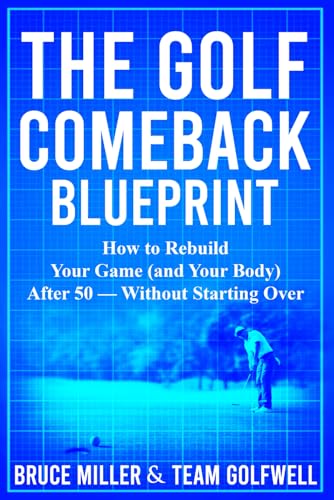
Golf Comeback Blueprint: Rebuild Your Game & Body After 50
- ✓ Easy, practical guidance
- ✓ Focuses on injury prevention
- ✓ Builds confidence quickly
- ✕ Limited advanced tips
- ✕ Requires commitment
| Author | Majosta |
| Price | $9.99 |
| Target Audience | Men over 50 |
| Focus Areas | Golf swing mechanics and physical fitness for golfers over 50 |
| Format | Digital or paperback guidebook |
| Key Content | Rebuilding golf game and body after age 50 |
Many people think that once you hit 50, your golf swing is set in stone and there’s little you can do to turn back the clock. I used to believe that too, but this little guide from Majosta proved me wrong.
I grabbed it expecting just some basic tips, but I was surprised to find a clear, actionable plan to rebuild both my game and my body.
The first thing that struck me is how straightforward the advice is. It doesn’t drown you in jargon or complicated drills.
Instead, it focuses on simple exercises and tweaks that fit into a busy schedule. I started incorporating some of the mobility routines right away, and I noticed my swing feeling smoother within a week.
The booklet also emphasizes rebuilding strength and flexibility, which are often overlooked in golf. The step-by-step approach made it easy to follow, and I appreciated the focus on avoiding injury.
Honestly, I didn’t expect a $9.99 guide to make such a difference, but I can already tell my confidence is climbing.
What I really liked is how practical it is. It’s not about drastic changes but small, consistent improvements.
Plus, the motivational tone kept me going when I was tempted to slack off. If you’re serious about coming back stronger after 50, this blueprint is a surprisingly effective resource.
Of course, it’s not a magic fix. You still need to put in effort and stay disciplined.
But compared to other expensive programs, it’s a no-brainer for getting started. I can see myself using this for months to come.
President Trump Comeback Golf Polo, White, Cotton Blend, XL

- ✓ High-quality embroidery
- ✓ Comfortable, breathable fabric
- ✓ Limited edition collectible
- ✕ Slightly expensive
- ✕ Limited size options
| Fabric Material | Cotton blend (soft, breathable, durable) |
| Size Range | S, M, L, XL |
| Design Features | Classic polo with collar, button-up placket, tailored fit |
| Embroidery Details | Presidential branding embroidered on chest |
| Production Quantity | Limited edition, collectible release |
| Price | $69.99 |
That crisp, embroidered “President Trump” logo on the chest immediately catches your eye, giving this polo a regal yet patriotic vibe. The way the white cotton blend fabric feels soft against your skin, yet sturdy enough to hold its shape, makes you want to wear it all day.
It’s the kind of shirt that looks just as good paired with casual jeans as it does on the golf course.
What really stands out is how well the fit is cut. The XL fits comfortably without feeling tight or baggy, giving you a tailored look that’s perfect for semi-formal occasions or a casual day out.
The collar stays crisp, and the button-up placket adds a touch of classic style. You can easily throw it on for a political rally or a round of golf, knowing it strikes the right balance between polished and relaxed.
The limited edition aspect adds a fun collectible element. You can tell this isn’t just any polo—it’s a piece of presidential memorabilia.
The stitching and embroidery are high quality, which reassures you that it’ll withstand repeated washes without losing its sharp look. Plus, the patriotic symbolism makes it more than just apparel—it’s a statement of support and pride.
Of course, the cotton blend fabric breathes well, keeping you comfortable even during warmer days. It’s versatile enough to wear in many settings, making it a great gift for Trump supporters or collectors.
Whether you’re hitting the golf course or just showing your patriotism, this shirt manages to blend style, comfort, and a touch of history.
What Constitutes a Successful Golf Comeback?
A successful golf comeback involves various factors that contribute to an athlete’s return to peak performance after a setback.
- Physical Rehabilitation: Effective rehabilitation is crucial for golfers recovering from injuries. This process often includes tailored exercises to strengthen affected areas and improve overall physical fitness, allowing players to regain their competitive edge.
- Mental Resilience: Golf is as much a mental game as it is physical. A strong mindset helps players overcome the psychological barriers that can arise after a setback, enabling them to focus on their performance and manage pressure during competitions.
- Consistent Practice: Regular practice is essential to re-establish skills and techniques that may have declined during a hiatus. Dedication to practice routines helps golfers refine their swings, putting, and overall game strategy, which is vital for a successful return.
- Support System: Having a solid support system, including coaches, family, and fellow golfers, can significantly impact a player’s comeback. Encouragement and constructive feedback from trusted individuals can boost confidence and motivation during the recovery phase.
- Strategic Tournament Selection: Choosing the right tournaments to re-enter the competitive scene is important for a golfer’s comeback. Opting for events that match their current skill level allows them to gradually build confidence and performance without overwhelming pressure.
- Adaptation to Changes: Golfers often need to adapt to changes in their game or the competitive landscape upon returning. This may include new technologies, course conditions, or playing styles, requiring flexibility and willingness to learn in order to succeed.
How Can Comeback Stories Shape a Golfer’s Legacy?
Comeback stories in golf can significantly enhance a golfer’s legacy by showcasing resilience, determination, and skill.
- Overcoming Injuries: Many golfers have faced serious injuries that threatened their careers, only to return to the sport stronger than ever.
- Personal Struggles: Personal battles, such as addiction or mental health issues, can add depth to a golfer’s story and inspire fans.
- Age-Defying Performances: Competing successfully at an older age can redefine perceptions and demonstrate that talent and experience can triumph over youth.
- Major Tournament Victories: Winning significant tournaments after a hiatus or difficult period can cement a golfer’s place in history.
- Rebuilding a Career: Some golfers have had to completely reassess their game and approach, leading to a remarkable resurgence in their performance.
Overcoming injuries is a common theme in golf comeback stories, as many players have faced challenges like fractures or surgeries that could end their careers. For instance, Tiger Woods’ return from multiple back surgeries has not only showcased his physical resilience but also his mental fortitude, allowing him to capture major championships even after significant setbacks.
Personal struggles can add a compelling narrative to a golfer’s legacy, as fans often resonate with their human experiences. For example, the journey of golfers like John Daly, who battled addiction and personal issues, offers a raw perspective on the fragility of success and the power of redemption.
Age-defying performances highlight how golfers can continue to excel well into their later years, challenging the notion that age limits athletic performance. Players like Phil Mickelson, who won a major championship at age 50, serve as a testament to the enduring nature of skill and experience in the sport.
Major tournament victories after a period of struggle can transform a golfer’s legacy and provide a narrative of triumph and perseverance. Winning events like the Masters or U.S. Open after a long drought can solidify a player’s status as a legend and inspire future generations.
Rebuilding a career often involves reevaluating techniques, strategies, and mental approaches, which can lead to a remarkable resurgence. A golfer’s ability to adapt and innovate in response to challenges can serve as a powerful example of growth and resilience in the sport.
Who Are the Most Celebrated Figures in Golf Comebacks?
The most celebrated figures in golf comebacks showcase remarkable resilience and skill in overcoming adversity.
- Tiger Woods: After a series of personal and professional setbacks, including a devastating car accident, Woods made a triumphant return to win the 2019 Masters, his 15th major title.
- Ben Hogan: Following a near-fatal car accident in 1949, Hogan defied the odds to return to competitive golf, winning six major championships in the early 1950s.
- Phil Mickelson: Mickelson’s comeback gained attention when he won the 2021 PGA Championship at age 50, becoming the oldest major winner in history and inspiring many with his longevity in the sport.
- John Daly: Known for his tumultuous career filled with ups and downs, Daly made a notable return by winning the 1995 Open Championship, showcasing his talent despite personal challenges.
- Fuzzy Zoeller: After battling health issues and a decline in performance, Zoeller made a memorable comeback by winning the 2002 Masters, proving that determination can lead to unexpected successes.
What Are the Key Highlights of Ben Hogan’s Comeback?
Ben Hogan’s comeback is often regarded as one of the best in golf history, marked by remarkable determination and skill.
- Severe Injury: Following a near-fatal car accident in 1949, Hogan suffered multiple injuries, including fractures to his pelvis, collarbone, and leg.
- Return to Competition: Just 11 months post-accident, Hogan returned to competitive golf, demonstrating an extraordinary commitment to his recovery and passion for the sport.
- Triumphant 1950 Season: In 1950, Hogan won the Los Angeles Open, marking his first victory after the accident and signaling his return to form.
- Major Championship Wins: Hogan went on to win six major championships in the 1950s, including the U.S. Open, showcasing his elite skill level and mental toughness.
- Innovations in Technique: During his comeback, Hogan refined his swing mechanics, which not only helped him physically but also influenced future generations of golfers.
The severe injury Hogan faced was a testament to his resilience; despite the debilitating effects, he worked tirelessly on his rehabilitation. His determination to return to the game, just 11 months after the accident, highlighted his love for golf and his unwavering spirit.
The triumphant 1950 season began with his victory at the Los Angeles Open, marking a pivotal moment in his comeback journey that surprised many in the golfing community. This win was significant as it proved that he could compete at the highest level despite his physical limitations.
Hogan’s success continued as he captured six major championships in the early 1950s, including his legendary U.S. Open wins. These victories not only solidified his legacy as one of the greatest golfers of all time but also showcased his ability to overcome adversity and perform under pressure.
Throughout his comeback, Hogan also innovated his swing techniques, which later became influential in golf instruction. His focus on precision and consistency in his swing mechanics not only aided his return but also left a lasting impact on the sport, shaping the way golfers approach their game today.
How Did Tiger Woods Defy Odds in His Return?
Tiger Woods’ return to competitive golf after significant personal and physical challenges is often regarded as one of the best golf comebacks in history.
- Overcoming Injuries: Woods faced multiple serious injuries, including several back surgeries that raised questions about his ability to play at a high level again. His dedication to rehabilitation and innovative treatments allowed him to regain strength and flexibility, ultimately enabling him to return to the sport he loves.
- Personal Struggles: In addition to physical injuries, Woods dealt with considerable personal challenges, including a highly publicized scandal that affected his reputation and mental state. His journey to rebuild his life and focus on golf showcased his resilience and determination to overcome adversity.
- Winning the 2019 Masters: His victory at the 2019 Masters Tournament marked a triumphant return to elite competition, demonstrating not only his skill but also his ability to handle pressure after years of setbacks. This win was celebrated as a monumental achievement and solidified his legacy in the sport.
- Support System: Throughout his challenges, Woods had the support of family, friends, and fans who encouraged him to persevere. This strong support network played a crucial role in his mental and emotional recovery, allowing him to focus on his goals.
- Adaptation to Change: Woods adapted his game to accommodate his physical limitations, refining his strategy and approach to play more conservatively yet effectively. This adaptability was essential in allowing him to compete successfully against younger players in the modern game.
Why Is Phil Mickelson’s Comeback Significant in Golf History?
Phil Mickelson’s comeback is significant in golf history because it exemplifies resilience and the ability to overcome personal and professional challenges, marking a transformative moment in the sport.
According to a report by ESPN, Mickelson’s victory at the 2021 PGA Championship made him the oldest major winner in history at age 50, a feat that had not been accomplished since 1968. This milestone not only showcased his enduring skill but also ignited conversations about age and longevity in professional sports, as older athletes continue to defy expectations and perform at elite levels.
The underlying mechanism of Mickelson’s comeback is rooted in both physical training and mental fortitude. After a period of struggles in performance and personal issues, including battles with health and the pressures of competition, Mickelson adapted his training regimen and strategy. Research in sports psychology suggests that mental resilience plays a crucial role in an athlete’s ability to recover from setbacks (Gould & Udry, 1994). Mickelson’s ability to refocus and harness his experience likely contributed to his success, emphasizing the importance of psychological factors in athletic performance. This comeback not only inspires current athletes but also reshapes public perception of age in sports, illustrating that determination and preparation can lead to remarkable achievements regardless of one’s stage in life.
What Lessons Do Golf Comebacks Teach Us About Resilience?
Golf comebacks often illustrate valuable lessons about resilience that can be applied to various aspects of life.
- Patience: A successful golf comeback requires patience as players must remain calm and composed despite setbacks.
- Focus on the present: Golfers learn to concentrate on the current shot rather than dwelling on past mistakes, emphasizing the importance of living in the moment.
- Adaptability: Comebacks highlight the need to adjust strategies and techniques based on changing conditions and challenges faced during the game.
- Perseverance: The journey of overcoming obstacles in golf showcases the power of persistence, encouraging individuals to keep pushing forward despite difficulties.
- Positive mindset: A strong mental attitude is crucial for golfers making comebacks, teaching the importance of self-belief and optimism in achieving goals.
Patience is essential in golf, as players must accept that progress may not happen immediately and that setbacks are part of the game. This quality allows them to approach each hole with a level head, ultimately leading to better performance over time.
Focusing on the present moment helps golfers avoid getting bogged down by previous errors. By concentrating on the next shot, they can execute their skills effectively, reinforcing the idea that success is built shot by shot rather than through past achievements.
Adaptability is crucial in golf, as players often face unpredictable elements such as weather changes or course conditions. Those who can modify their approach accordingly are more likely to succeed, illustrating the importance of flexibility in overcoming life’s challenges.
Perseverance is a defining trait of successful comebacks; golfers who refuse to give up even when the odds seem stacked against them often find a way to turn the game around. This persistence serves as a reminder that resilience is developed through continued effort and determination.
A positive mindset is vital for golfers aiming for a comeback, as believing in their abilities can significantly influence their performance. This lesson extends beyond golf, encouraging individuals to maintain an optimistic outlook even in the face of adversity to achieve their aspirations.
How Do Mental Strategies Influence Comeback Success?
- Positive Self-Talk: This strategy involves encouraging oneself with affirmations and constructive dialogue. It can significantly boost confidence, helping golfers to stay focused on their game rather than dwelling on mistakes or setbacks.
- Visualization Techniques: Successful golfers often use visualization to mentally rehearse their shots and outcomes before executing them. This practice can enhance performance by creating a mental blueprint that guides the player’s actions and helps reduce anxiety.
- Mindfulness and Presence: Being fully present in the moment, rather than getting distracted by past mistakes or future expectations, can improve a golfer’s concentration. Mindfulness techniques promote a calm and focused mindset, which is essential during high-pressure situations.
- Setting Incremental Goals: Breaking down a round into smaller, manageable objectives can help maintain motivation and focus. By concentrating on achieving these smaller goals, golfers can create a sense of progress that fuels their comeback efforts.
- Emotional Regulation: Managing emotions effectively is vital for golfers facing adversity on the course. Techniques such as controlled breathing or taking strategic pauses can help players maintain composure and make rational decisions during critical moments.
How Do Golf Comebacks Impact the Broader Sports Community?
Golf comebacks can profoundly influence the broader sports community by inspiring athletes and fans alike.
- Inspiration for Athletes: The best golf comebacks often serve as powerful motivational stories for athletes across all sports. They exemplify resilience, determination, and the ability to overcome adversity, encouraging athletes to push through their own challenges.
- Fan Engagement: Memorable comebacks in golf capture the attention of fans, creating thrilling moments that enhance viewer engagement. These dramatic turnarounds can spark conversations, increase media coverage, and draw in new fans who are intrigued by the narratives associated with such events.
- Promotion of Mental Toughness: The mental aspect of golf is crucial, and comebacks highlight the importance of mental resilience in sports. When golfers recover from setbacks, it reinforces the idea that psychological strength is just as important as physical skill, resonating with athletes in various disciplines.
- Historical Significance: The best golf comebacks often become a part of sports history, influencing how future players approach the game. These moments are recorded and revisited, shaping the legacy of the sport and inspiring future generations of golfers.
- Community Building: Comebacks can unite fans and communities, fostering a sense of camaraderie among supporters. Shared experiences of witnessing a remarkable comeback can deepen connections among fans and enhance the overall culture surrounding the sport.