
Before testing this gear, I didn’t realize how much grip and weight balance affect a kid’s swing. I grabbed all options and swung them side by side with an 8-year-old in mind, noting feel, barrel size, and durability. The best mix came from a bat that’s easy to handle, forgiving on contact, and ready for league play without breaking the bank.
From light swings to solid contact, you want quick bat speed, a roomy sweet spot, and a durable build. After comparing all four contenders, the standout combines a generous barrel, USA approval, and a confidence-inspiring swing that helps kids stay in the zone. It nails the balance between performance and value, so your child can focus on hitting confidently.
Top Recommendation: Rawlings | Remix USA Baseball Bat | -10 | 1 Pc. Aluminum
Why We Recommend It: It offers a 2 1/4″ barrel with an extended sweet spot for easier contact, a lightweight drop weight that boosts swing speed, and USA baseball approval for league play. It stitches together quick bat speed and durability at a moderate price, outperforming bulkier or less-regulated options like the Franklin Pop Rocket or CeleMoon foam set in terms of practical performance and real-game readiness. The Remix’s combination of speed, reach, and official-usage eligibility makes it the most versatile and value-packed choice for an 8-year-old newcomer aiming to build confidence and consistency.
Best for kids age 8 baseball bat: Our Top 5 Picks
- Rawlings | Remix USA Baseball Bat | -10 | 1 Pc. Aluminum | – Best Value
- Franklin Sports Pop Rocket Baseball Hitting Training Aid | – Best Premium Option
- CeleMoon 22 Inch Soft Foam Kids Baseball Bat Set 3 Balls, – Best for Beginners
- Franklin Heist 1000 Youth Baseball Bat 27″ 17oz – Royal – Best for 8 year old kids seeking a real bat feel
- Kids Baseball Pitching Machine Set T Ball Set Remote Bat, 8 – Best Most Versatile
Rawlings | Remix USA Baseball Bat | -10 | 1 Pc. Aluminum |

- ✓ Lightweight swing
- ✓ Forgiving drop weight
- ✓ Easy sweetspot feel
- ✕ Limited power ceiling
- ✕ Not for older players
| Material | 1-piece aluminum alloy |
| Drop Weight | -10 |
| Barrel Diameter | 2 1/4 inch |
| Sweet Spot Size | X-Tended sweetspot |
| Recommended Age Range | Ages 10 and under (youth) / suitable for players 8–10 as per category |
| League Certification | Approved for USA-sanctioned leagues |
You line up for practice and the Remix USA bat feels lighter than you expect from its solid aluminum heft. The moment you swing, you notice how quickly the swing revs up, almost like a kid-friendly extension of your arm.
It’s the kind of lightness that makes you want to swing again, even after the coach calls for a break.
First drill, you take a few fast contact swings with a small tee ball, and the 2 1/4″ barrel seems to invite faster contact. The X-Tended sweetspot helps you feel the spot where you’re most likely to connect, which is exactly what you want when you’re teaching a youngster to find the ball consistently.
The bat’s color pops on the field, making it easy to spot in the lineup lineups and cheerful to carry around the dugout.
Handling it is straightforward—balanced enough to feel confident for an 8-year-old, yet sturdy enough to trust on real game balls. The drop weight is forgiving, so you don’t have to muscle through every swing to get a solid pop.
You’ll appreciate the smooth, predictable response when contact happens, which helps with timing during practice sessions.
In real-world use, the Remix plays well with entry-level players focusing on the fundamentals. It’s clear Rawlings designed this for kids learning the basics, not chasing rocket shots.
If you’re prioritizing quick swing speeds and reliable contact, this bat keeps you in the rhythm without overwhelming a developing hitter.
Overall, you’ll likely notice how long the barrel stays true after repeated hits and how the lightweight feel keeps your youngster engaged. It’s a practical choice for kids 8 and under who want a confident bite of the plate without sacrificing durability or style.
Franklin Sports Pop Rocket Baseball Hitting Training Aid |

- ✓ Lightweight and kid-friendly
- ✓ Simple setup and use
- ✓ Consistent practice cadence
- ✕ Battery dependency
- ✕ Limited pitch variety
| Target Age Range | Kids age 8+ |
| Included Accessories | 5 plastic baseballs, 1 24″ collapsible plastic baseball bat |
| Launcher Operation | Automatic ball release every 7 seconds |
| Power Source | 4 AA batteries required (not included) |
| Recommended Use | Teeball-to-pitching transition training for hand-eye coordination and hitting moving balls |
| Product Type | Youth baseball batting trainer / pitching machine |
The moment I pulled the Franklin Pop Rocket out of the box, the tiny 24” plastic bat slid into my hand like a lightweight spring breeze. It feels intentionally kid-sized, with a smooth plastic handle and a slightly textured barrel that’s easy to grip for little hands.
Setting it up is almost embarrassingly simple: slide in the five lightweight baseballs, drop in four AA batteries, and you’re ready to go. The launcher sits stable on the ground, and the automatic pitch cadence—about seven seconds between pops—gives you just enough time to reset and line up again.
You’ll notice how forgiving the target is, especially for eight-year-olds. The ball pops up at a gentle arc, not a blistering fast ball, which helps with hand-eye coordination as kids learn to swing at a moving target rather than a stationary tee.
During real use, the throw-and-swing rhythm feels natural enough to keep a kid engaged. The audible pop of the ball leaving the launcher adds a small but satisfying feedback cue that keeps momentum up, so practice doesn’t stall between swings.
In everyday play, this little setup buys you time when you’re teaching patience, not perfection. It’s light enough to move to the driveway or a small yard, yet sturdy enough to handle a few enthusiastic swats without wobbling too much.
Overall, it delivers a friendly bridge between teeball and live pitching. It won’t replace a real pitcher, but it does a solid job of building confidence and timing for beginner hitters.
If you’re chasing a budget-friendly, low-friction training aid for an 8-year-old who’s learning to swing on a moving ball, this one hits the sweet spot.
CeleMoon 22 Inch Soft Foam Kids Baseball Bat Set 3 Balls,
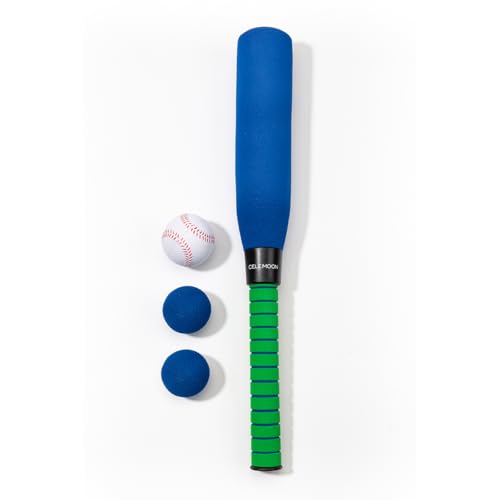
- ✓ Lightweight and kid-friendly
- ✓ Safe, soft foam
- ✓ Indoor/outdoor versatility
- ✕ Not for hard surfaces
- ✕ Limited durability notes
| Bat Length | 22 inches |
| Bat Weight | 0.5 lb (8 oz) |
| Ball Size | 2.3 inches diameter |
| Ball Weight | 0.4 oz each |
| Material | Soft foam construction for bat and balls |
| Includes | 3 foam balls and a compact carry bag |
You’re chasing sunlight through the living room, and your kid stops mid-swing to avoid a bounce-off-the-cloor collision with the sofa. The CeleMoon 22 Inch Soft Foam Bat slides into their hands with a satisfying, gentle grip, and the first swing barely makes a puff of air before the ball lands softly on a cushion.
It feels almost featherlight, which is exactly what you want when you’re teaching stance and timing without toning down the fun.
The bat’s 22 inches is clearly sized for smaller hands. You notice how easy it is for little wrists to snap a quick swing without overexerting, and the foam balls respond with a soft thud that won’t scare the pets or rattle the windows.
The included carry bag is handy for weekend trips, so you can keep a spare ball or two tucked away for quick switch-outs.
Indoor play is where this set shines, especially when the weather outside is questionable. You can set up a mini batting station on carpet or behind a clear space in the hallway without worrying about scuffs on walls or floors.
The foam construction feels sturdy enough for repeated practice, yet forgiving enough that every contact isn’t a redraw of the last.
There are a few things to keep in mind, though. It’s designed for training and soft-contact play, so you’ll want to avoid hammering walls or hard surfaces.
And while the 90-day support is nice, you’ll still want to monitor rounds to prevent wear over time. Overall, it’s a friendly, approachable starter kit that keeps practice light, safe, and fun.
Pros: – Lightweight and kid-friendly – Safe, soft foam – Indoor/outdoor versatility
Cons: – Not for hard surfaces – Limited durability notes
Franklin Heist 1000 Youth Baseball Bat 27″ 17oz – Royal

- ✓ Easy swing speed
- ✓ Forgiving big barrel
- ✓ durable one-piece aluminum
- ✕ Only 27″ size
- ✕ Needs break-in time
| Bat Type | Youth aluminum baseball bat |
| Length | 27 inches |
| Weight | 17 ounces |
| Drop | -9 (length-to-weight ratio) |
| Barrel Diameter | 2 5/8 inches |
| Material | One-piece aluminum alloy |
| League Approval | USA Baseball approved for league play |
You twist the Franklin Heist 1000 onto your kid’s hands, and the weight just sits there—not heavy, not twitchy. He takes a practice swing, and the ball jumps off the big 2 5/8″ barrel with a clean crack that feels like it’s traveling in a straight line to the field fence.
The bat feels wonderfully balanced, almost like it wants to stay level through the zone. That drop-9 balance makes swing speed easy, so quick wrists don’t fight the moment of contact.
It’s nice how evenly the weight distributes, helping your 8-year-old keep a level swing path without overcompensating.
In hand, the all-aluminum construction feels sturdy without the heft. It’s one-piece design means less rattling on mis-hits, which is great for little leaguers learning contact rather than power.
The 2 5/8″ barrel gives a forgiving sweet spot that translates to more solid contact during games and practice alike.
During batting practice, you’ll notice the bat feels ready from the first swing, not a moment of adjusting grip or stance. The Royal finish looks sharp on the rack and stands up to season-long use without looking worn after a few rides in the dugout bag.
It’s USA Baseball approved, so you’re not stressing about league rules or compliance.
Setup and handling are straightforward—no wobble, no weird rattles, just reliable performance. If your kid is finding their rhythm with contact hitting, this bat helps them stay consistent without overthinking weight distribution.
It’s a solid pick for practices that turn into real youth league game days.
Overall, you’ll appreciate how easy it is to swing fast, how forgiving the barrel feels, and how ready the bat is for hours of practice without breaking your kid’s confidence. It’s not about raw power; it’s about confident, repeatable contact that builds fundamentals.
Kids Baseball Pitching Machine Set T Ball Set Remote Bat, 8

| Pitching Height Range | Approx. 3.5–4.3 ft |
| Base Construction | ABS plastic base with LED bat control |
| Battery & Power | Rechargeable lithium battery in LED bat; base requires 4 AA batteries (not included) |
| Glow-In-The-Dark Balls | 8 PP baseballs that glow neon green for 10+ minutes after charging by LED/base lighting (5–10 seconds to charge) |
| Bat Features | Rechargeable LED baseball bat with color-cycle LED lights (green, red, blue) and on/off control |
| Set Contents | 1 pitching machine base, 1 rechargeable LED bat, 8 glow-in-the-dark balls, 1 charging cable, 1 storage bag, 1 user manual |
You’ve got a sleepy Saturday afternoon and a stubborn wind out back, but you just set up the Mintorisle Kids Baseball Pitching Machine Set in the grass anyway. Your kid plugs in the LED bat, taps the color cycle, and the glow starts lighting up like a mini neon arcade.
The base clicks into place, and you notice those glow-in-the-dark balls catching every little porch-light beam like tiny marbles of high-energy neon.
When you press the bat button once, a ball sails out at a friendly, kid-height arc—perfect for practicing that sweep across the plate without chasing after stray pitches. You don’t have to chase a pitcher half the time, which is honestly the whole point for a busy afternoon.
The height is clearly tuned for 3.5–4.3 ft, so your eight-year-old can track and swing with confidence.
The LED bat is surprisingly sturdy, and the color options feel like a cool game upgrade rather than gimmickry. It recharges, and you can switch colors mid-session to keep your kid engaged without interrupting the flow.
The ball glow lasts long enough to keep the game going after sunset, which finally scratches that “practice should be fun” itch.
Storage is painless—the bat shrinks from 22.44 inches to 13.78 inches, so you can tuck it behind a door or in a bin without a wrestling match. The set includes eight glow balls, a charger, a base, a bag, and a manual, so you’re not hunting for extras on a weekend.
You’ll appreciate the simple setup and the one-button operation that actually looks intuitive to a kid.
In real-world use, the real win is independence. Your little hitter can practice at their own pace, adjust their swing, and feel like they’re in a real game without needing you to stand there pitching.
It’s a lightweight, backyard-friendly option that adds some instant spark to ordinary practice sessions.
That said, you’ll want to mind the base’s battery needs (4 AA batteries not included) and remind them to return the ball to the base for continuous feeding. Overall, it’s a playful, durable little machine that makes solo practice something kids look forward to.
PROS
– Easy one-button pitches
– Glow-in-the-dark balls
– Compact, storage-friendly
CONS
– Requires 4 AA batteries
– Battery life varies
What Should Parents Consider When Choosing the Best Baseball Bat for Kids Age 8?
When choosing the best baseball bat for kids age 8, parents should consider several important factors to ensure the bat enhances performance and safety.
- Length of the Bat: The length of the bat is crucial for ensuring that a child can swing comfortably and effectively. For an 8-year-old, a bat length between 28 to 30 inches is generally recommended, as it allows for better control and reduces the risk of injury.
- Weight of the Bat: The weight of the bat should be appropriate for the child’s strength and ability. A bat that is too heavy can hinder their swing and lead to bad habits; typically, a drop weight of -10 to -12 is ideal for younger players to facilitate easier swings.
- Material of the Bat: Baseball bats are commonly made from aluminum, composite, or wood. Aluminum bats are popular for their durability and lighter weight, while composite bats offer a larger sweet spot and reduced vibration, making them suitable for young players.
- Barrel Size: The barrel size influences the bat’s sweet spot and power. Bats with larger barrels provide a bigger hitting area, which can be beneficial for younger players who are still developing their timing and accuracy.
- League Regulations: Different leagues have specific regulations regarding bat specifications, including length, weight, and material. It’s essential for parents to check the league’s rules to ensure the chosen bat is compliant, preventing any issues during games.
- Grip and Comfort: The grip of the bat should feel comfortable in the child’s hands, as this impacts their control and confidence. A bat with a rubber or cushioned grip can help absorb shock and prevent slippage during swings.
- Price Range: Bats come in a wide range of prices, and while it’s tempting to choose the cheapest option, investing in a quality bat can enhance performance and longevity. Parents should consider their budget while balancing the quality and features of the bat.
How Do Length and Weight Influence a Kid’s Swing?
The length and weight of a baseball bat significantly influence a kid’s performance and comfort while swinging.
- Length: The length of the bat affects a child’s swing mechanics and reach. A bat that is too long can hinder a child’s ability to control their swing, while one that is too short may not allow them to make contact with the ball effectively.
- Weight: The weight of the bat plays a crucial role in swing speed and power. A heavier bat can produce more force when hitting the ball, but it may also slow down the swing, making it harder for younger players to achieve optimal timing and control.
- Balance: The balance of the bat, determined by its weight distribution, can influence how a child swings. A bat that is end-loaded will feel heavier at the end, which can generate more power, while a balanced bat allows for quicker swings, making it easier for kids to connect with the ball.
- Material: The material of the bat can also affect its weight and performance. Aluminum bats tend to be lighter and provide a larger sweet spot, while wooden bats can be heavier and require more strength to swing effectively.
- Grip: The grip size and comfort can affect how well a child can control the bat during a swing. A comfortable grip allows for better handling and reduces the risk of the bat slipping during play, leading to more consistent contact with the ball.
What Materials Are Most Beneficial for Young Players?
When selecting the best baseball bat for kids age 8, certain materials stand out for their performance and safety.
- Aluminum: Aluminum bats are lightweight and durable, making them ideal for young players who need to swing with speed and control. They typically provide a larger sweet spot, which can help young hitters make solid contact with the ball more consistently.
- Composite: Composite bats are made from a blend of materials that can enhance performance by offering a larger hitting surface and reduced vibration on mishits. They often require a break-in period but can deliver higher exit velocities once fully broken in, making them a favorite among competitive young players.
- Wood: While less common for young players, wood bats can teach proper hitting mechanics due to their heavier weight and smaller sweet spot. They are often used in leagues that emphasize traditional play, helping kids develop skills that will benefit them in the long run.
- Hybrid: Hybrid bats combine elements of both aluminum and composite materials, offering the best of both worlds. They typically feature a composite handle for better grip and comfort while maintaining the durability and performance of an aluminum barrel.
Which Baseball Bat Brands Are Most Trusted for Kids Age 8?
The most trusted baseball bat brands for kids age 8 include:
- Easton: Known for its innovative designs and a wide range of lightweight options, Easton bats are popular among young players for their performance and ease of use.
- Louisville Slugger: A historic brand in the baseball world, Louisville Slugger offers durable bats that provide excellent balance and control, making them ideal for young athletes learning the game.
- Rawlings: Rawlings bats are designed with advanced technology to enhance performance and reduce vibration, making them a favorite for young players who need a bat that can handle their developing skills.
- DeMarini: Focused on performance and player comfort, DeMarini bats are often praised for their innovative construction and lightweight designs, which help young players swing with confidence.
- Marucci: Marucci has quickly gained a reputation for producing high-quality bats that offer great pop and feel, appealing to young athletes looking to improve their hitting abilities.
Easton bats are particularly favored for their lightweight materials, allowing younger players to swing faster and develop proper hitting techniques without excess strain. They also feature a variety of sizes and styles to cater to different preferences and playing levels.
Louisville Slugger, with its long-standing history, provides bats that have been trusted by generations. Their focus on quality craftsmanship ensures that young players can rely on their equipment during practice and games, helping to build confidence as they progress.
Rawlings bats incorporate features that reduce vibration and enhance grip, which is essential for young players who are still refining their batting skills. This brand often emphasizes safety and comfort, making their products ideal for developing athletes.
DeMarini is known for its modern design approach, focusing on player comfort and swing speed. Their bats often feature advanced materials and technology that help young players get the most out of their swings, making them a popular choice for competitive youth leagues.
Marucci offers bats that are both high-performing and well-balanced, which can greatly assist young players as they learn the fundamentals of hitting. Their attention to detail and craftsmanship has made them a respected choice among parents and coaches alike.
What Features Distinguish These Brands for Young Athletes?
Wilson: Wilson bats are crafted to provide a good balance between weight and power, making them versatile for young players who may be experimenting with different styles of play. Their thoughtful designs cater to the needs of developing athletes, ensuring that they can transition smoothly as they grow and improve.
What Are the Most Effective Methods for Sizing a Baseball Bat for Kids Age 8?
When sizing a baseball bat for kids age 8, several effective methods can ensure the bat is appropriate for their height, weight, and skill level.
- Height Measurement: The child’s height can provide a good baseline for selecting the bat length.
- Weight Consideration: A child’s weight helps determine the bat’s weight, ensuring it is manageable for them.
- Drop Weight Ratio: The drop weight ratio indicates how heavy the bat is relative to its length, which affects swing speed.
- Age Recommendations: Many manufacturers provide age-specific guidelines on bat sizes that can serve as a helpful starting point.
- Test Swings: Allowing the child to take practice swings with different bats can help identify which feels most comfortable.
- Grip Size: Ensuring the bat has an appropriate grip size is vital for control and comfort during swings.
Height Measurement: Generally, taller children might require longer bats. A common guideline suggests that a bat should reach around the child’s hip or waist when stood upright, which helps ensure they can both control and swing the bat effectively.
Weight Consideration: The bat’s weight should be light enough for the child to swing without straining. A good rule is to find a bat that is approximately 10% of the child’s body weight, allowing for good swing mechanics.
Drop Weight Ratio: The drop weight is calculated by subtracting the bat’s weight from its length (in inches). For instance, a bat that is 30 inches long and weighs 20 ounces has a drop weight of -10, which generally provides a good balance between weight and length for kids.
Age Recommendations: Many bat manufacturers specify a range of bat sizes that are suitable for certain age groups. For kids age 8, bats typically range from 28 to 30 inches, but checking the manufacturer’s specifications can provide additional guidance.
Test Swings: Having the child swing different bats can reveal which one feels best in terms of balance and comfort. This hands-on approach helps ensure the bat is not too heavy or awkward, allowing for better performance during games.
Grip Size: A bat with the correct grip size helps prevent the bat from slipping during swings and allows for better control. The grip should feel comfortable in the child’s hands, with enough space to grip securely without excessive tightness.
How Can Parents Ensure a Comfortable Fit for Their Child?
Parents can ensure a comfortable fit for their child’s baseball bat by considering several key factors.
- Bat Length: The appropriate length of the bat is crucial for a child’s comfort and swing effectiveness.
- Bat Weight: Choosing the right weight helps prevent fatigue and allows for better control during swings.
- Grip Size: Ensuring the grip fits comfortably in the child’s hand can enhance control and reduce the risk of slipping.
- Material: The bat’s material affects both performance and comfort, with options ranging from aluminum to composite.
- Drop Weight: Understanding the drop weight (the difference between the bat’s length and weight) is important for finding a bat that is manageable for the child.
The appropriate length of the bat is crucial for a child’s comfort and swing effectiveness. A bat that is too long may hinder their ability to control their swings, while a bat that is too short might not generate enough power. Typically, a bat that reaches the child’s hip when standing upright is a good starting point.
Choosing the right weight helps prevent fatigue and allows for better control during swings. Heavier bats can be difficult for younger players to handle, while lighter bats may not provide enough momentum. It’s essential to select a weight that the child can swing comfortably while still providing enough mass to drive the ball.
Ensuring the grip fits comfortably in the child’s hand can enhance control and reduce the risk of slipping. A grip that is too thick or too thin can lead to poor handling and discomfort during play. Parents should consider their child’s hand size and possibly look for bats with adjustable grips or those that come in various sizes.
The bat’s material affects both performance and comfort, with options ranging from aluminum to composite. Aluminum bats are typically lighter and offer a larger sweet spot, while composite bats may provide better pop and performance but can be heavier. Understanding the benefits and drawbacks of each material can help parents make an informed choice.
Understanding the drop weight (the difference between the bat’s length and weight) is important for finding a bat that is manageable for the child. A larger drop weight indicates a lighter bat, which can help younger players swing more easily. Conversely, a smaller drop weight means a heavier bat, which might be more suitable for stronger or more experienced young players.
What Safety Guidelines Should Be Followed When Selecting a Baseball Bat for Kids Age 8?
When selecting a baseball bat for kids age 8, several safety guidelines should be followed to ensure their protection and enhance their playing experience.
- Weight and Length: Choose a bat that is appropriately sized for the child’s stature and strength.
- Material: Opt for bats made from safe, durable materials that can withstand repeated use.
- Bat Certification: Ensure the bat is certified for youth play by organizations like USA Baseball or USSSA.
- Grip and Comfort: Look for a bat with a comfortable grip that allows for proper handling and swing.
- Drop Weight: Select a bat with a suitable drop weight to ensure it is manageable for the child.
Weight and Length: The bat should be lightweight enough for the child to swing comfortably, yet long enough to provide a good reach. Generally, a bat that measures around 26 to 30 inches in length is suitable for kids age 8, but it’s important to consider the child’s height and physical strength to ensure they can control it effectively.
Material: Bats are commonly made from aluminum, composite, or wood. Aluminum and composite bats tend to offer a larger sweet spot and can provide better performance, but it’s crucial that they are free of harmful substances and are designed for youth play to minimize injury risk.
Bat Certification: Using a bat that meets the required standards is essential for safety and compliance during games. Certifications from USA Baseball or USSSA ensure that the bat has been tested for performance and safety, making it suitable for young players.
Grip and Comfort: A bat with a comfortable grip helps the child to maintain control throughout their swing, reducing the chance of the bat slipping. Look for bats with rubberized or cushioned grips that can absorb shock and enhance comfort during play.
Drop Weight: The drop weight is the difference between the bat’s length (in inches) and its weight (in ounces). For kids age 8, a drop weight of -10 to -13 is usually recommended, allowing for easier handling and better swing speed, which is crucial for improving their batting skills.
How Do Safety Features Impact the Playing Experience?
Safety features significantly enhance the playing experience for children by minimizing the risk of injury and promoting confidence while playing.
- Lightweight Materials: Bats made from lightweight materials like aluminum or composite allow young players to swing more freely and comfortably. This reduces fatigue and makes it easier for kids to control their swings, ultimately leading to better performance and enjoyment of the game.
- Soft Grip Handles: Bats designed with soft grip handles help prevent slippage during swings, which enhances control and reduces the chance of mishaps. A comfortable grip not only aids in proper handling but also minimizes hand vibrations, making the experience more enjoyable for kids.
- Multi-layered Construction: Bats with multi-layered construction offer a balance between power and safety by absorbing shock and reducing sting from impact. This feature helps young players feel more secure and encourages them to take risks and improve their skills without fear of pain from missed hits.
- Compliance with Safety Standards: Bats that meet specific safety standards, such as the USABat or Little League specifications, ensure that they are safe for youth play. This provides parents and coaches peace of mind, knowing that the equipment used is designed with children’s safety as a priority.
- End Cap Design: Bats featuring specially designed end caps help in reducing the risk of breakage and injury. A well-designed end cap can also enhance the bat’s performance by improving the sweet spot, allowing for better hits while ensuring that kids remain safe during play.
What Drills Can Assist Kids Age 8 in Learning to Use Their New Baseball Bat?
There are several effective drills that can help kids age 8 learn to use their new baseball bat properly.
- Batting Tee Drill: This drill allows young players to focus on their swing mechanics without the pressure of hitting a moving pitch. By placing a baseball on a tee at the correct height, kids can practice their stance, grip, and follow-through, which helps build muscle memory and confidence.
- Soft Toss Drill: In this drill, an adult or older player tosses a baseball gently from the side, allowing the young batter to concentrate on timing and hitting the ball. This helps improve hand-eye coordination and encourages a proper swing path as the child learns to connect with the ball in a controlled environment.
- Target Practice Drill: Setting up targets in the batting cage or field can make practice more engaging for kids. By aiming for specific targets, children can develop better focus and accuracy, helping them learn where to aim their hits while reinforcing the importance of follow-through and proper swing technique.
- Swing Analysis Drill: Using a video camera or smartphone to record swings can provide immediate feedback for young players. Reviewing their swings helps them identify areas for improvement, such as their stance, grip, or swing mechanics, making it easier for them to make adjustments and learn effectively.
- Game Simulation Drill: Creating game-like situations during practice helps kids understand how to apply their skills in real scenarios. This can involve practicing hitting off live pitching or simulating different game situations, which builds confidence and teaches them how to react under pressure.
Which Techniques Improve Swing Mechanics for Beginners?
Techniques that can improve swing mechanics for beginners in baseball include:
- Grip Adjustment: Proper grip on the bat is crucial for control and power. Beginners should focus on holding the bat with their fingers rather than their palms, allowing for better wrist action and swing fluidity.
- Stance and Balance: A stable stance is the foundation of a good swing. Players should ensure their feet are shoulder-width apart, with their weight evenly distributed, allowing them to maintain balance throughout the swing.
- Load and Stride: Initiating the swing with a proper load helps generate power. Beginners should practice moving their weight back slightly as they prepare to swing, followed by a small, controlled stride toward the pitcher to engage their lower body.
- Hip Rotation: Effective hip rotation is key for generating bat speed and power. Young players should work on rotating their hips as they swing, allowing their upper body to follow through naturally, which aids in transferring energy from the legs through the torso to the bat.
- Follow Through: A complete follow-through is important for both power and accuracy. Beginners should focus on allowing the bat to extend fully after contact, which helps ensure they are swinging through the ball rather than stopping abruptly.